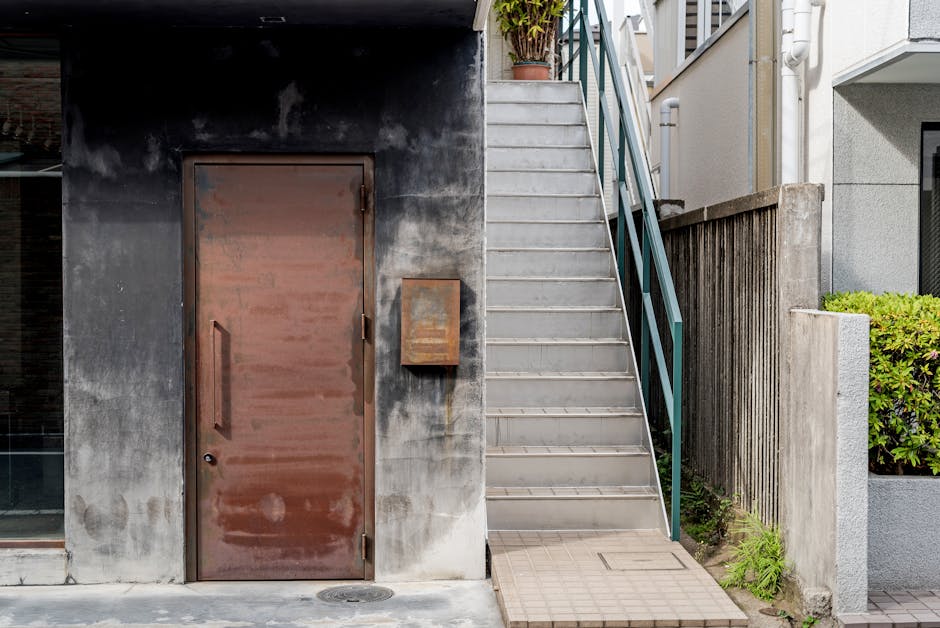
Narrow stair access rubbish clearance solutions Islington flats
Posted on 29/06/2026
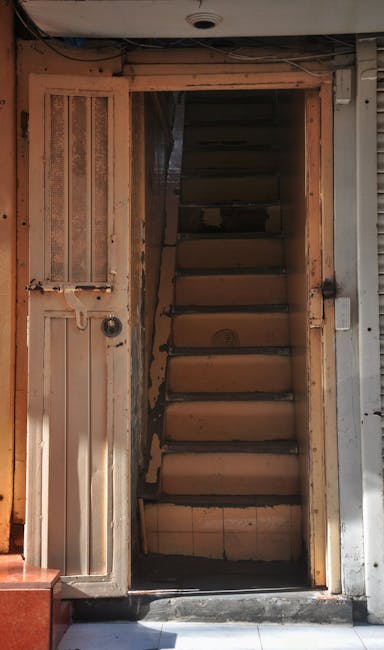
If you live in a flat in Islington, you already know the little challenges that make rubbish clearance feel harder than it should be. Tight landings, awkward turns, shared entrances, steep stairwells, and that one bulky item that seems to have been designed to block a corridor - it all adds up. Narrow stair access rubbish clearance solutions Islington flats are designed for exactly this kind of setup, so you can clear waste without damaging walls, upsetting neighbours, or turning a simple job into a stressful afternoon.
In practice, the best approach is usually less about brute force and more about planning. The right team, the right timing, and a sensible method can save a lot of hassle. This guide walks you through how it works, what to expect, what to avoid, and how to choose a solution that actually fits a real Islington flat, not an idealised one with a spacious staircase and plenty of room to swing a wardrobe. Let's be fair, very few London flats are built for easy sofa transport.
Why Narrow stair access rubbish clearance solutions Islington flats Matters
Narrow stair access changes everything. A clearance that would be straightforward in a ground-floor property can become time-consuming, risky, and noisy in a flat with a tight stairwell. In older Islington buildings especially, staircases are often steep, curved, or boxed in by bannisters and walls that leave very little room for manoeuvring.
This matters for three big reasons:
- Safety: heavy lifting on stairs is where people strain backs, chip walls, and drop items. Nobody wants that.
- Property protection: narrow routes increase the chance of scuffs, dents, and damage to common areas.
- Neighbour relations: if you live in a shared block, you also have to think about noise, lift use, and how long the corridor is blocked.
There is also a local reality to consider. Islington flats often sit in converted period houses, mansion blocks, or newer developments with limited access windows. That means a clearance team needs to think beyond standard collection. They may need to carry items in smaller loads, dismantle furniture, use protective coverings, or sequence the removal so the stairwell stays usable.
A sensible plan also helps with waste segregation. If the load includes furniture, electricals, builders' rubble, or mixed domestic waste, sorting it early can reduce delays later. If you are planning a bigger clearance, it can help to understand the broader service mix too, such as the wider range of rubbish clearance services and how they differ by waste type.
How Narrow stair access rubbish clearance solutions Islington flats Works
The process is usually more structured than people expect. Good operators do not just arrive and start carrying. They look at the access route first, then choose the safest method for the building and the items involved. That is especially important where the stairs are narrow enough that two people cannot comfortably pass each other.
In a typical narrow-stair flat clearance, the workflow looks something like this:
- Initial assessment: you explain the items, floor level, stair layout, and any access issues such as tight turns, low ceilings, or shared entrances.
- Plan the removal route: the team decides whether items can be moved intact or should be dismantled first.
- Protect surfaces: where needed, stair rails, corners, and landings are covered to reduce knocks and marks.
- Sort items: reusable, recyclable, and general waste are separated where possible.
- Controlled lifting: items are carried in smaller, safer pieces if needed, with clear communication on stairs.
- Loading and disposal: waste is removed for responsible processing, rather than just being piled into a van and hoped for the best.
Sometimes a job needs a little ingenuity. A wardrobe might come apart in the hallway. A sofa might go down one arm at a time. A washing machine might need a two-person carry and a very careful turn on the landing. It sounds basic, but that sort of judgement is what makes the difference between a smooth clearance and a bad day.
If the waste includes appliances, it is worth checking the specific disposal approach for electrical and bulky items. The page on white goods and appliance disposal is useful if your flat clearance includes fridges, cookers, or washing machines.
Key Benefits and Practical Advantages
The biggest benefit is simple: the job gets done without unnecessary stress. But there are several more practical advantages that matter in real life.
- Less risk of damage: careful stair handling protects paintwork, bannisters, and door frames.
- Faster completion: a planned removal is usually quicker than a rushed one.
- Better for shared buildings: neighbours are less likely to be disturbed if the team works neatly and efficiently.
- Smarter waste handling: items can be separated for reuse or recycling where possible.
- Reduced physical strain: you do not have to wrestle bulky waste down the stairs yourself. Which, honestly, is a blessing.
There is also a mental benefit people underestimate. Once the clutter is gone, the flat feels bigger. A hallway clears. The light comes back. You stop stepping sideways around a broken chest of drawers every morning. It's oddly freeing.
For landlords, letting agents, and homeowners preparing a sale, this can also make a property feel presentable sooner. If that is part of your reason for clearing, you may find it helpful to read about broader property movement and presentation in the Islington real estate guide.
Who This Is For and When It Makes Sense
This type of clearance is useful for more people than you might think. It is not just for giant flat clear-outs or major moves.
- Tenants moving out who need to remove unwanted furniture quickly.
- Landlords dealing with leftover items after a tenancy ends.
- Homeowners clearing a spare room, loft room, or cluttered hallway flat.
- Estate executors handling a sensitive property clearance.
- Renovators dealing with stripped-out materials, old fittings, or packaging waste.
- Anyone with access constraints where lifts are absent, unreliable, or too small for the item.
It makes sense whenever the stairs are the limiting factor. If the item is awkward rather than huge, it still counts. A narrow spiral staircase in a converted terrace can be a problem even for moderate furniture. One bulky mattress, one bookcase, one dishwasher - that can be enough to trigger a more careful method.
For flats around busy parts of Islington, access timing can matter too. If you are near a main road or an area with heavier footfall, less time on the pavement often means a smoother experience. The local note on rubbish clearance near Angel Station is a good example of how access and location shape the job.
Step-by-Step Guidance
If you want a clear path through the process, this is the part to follow closely. The more prepared you are, the less likely you are to be surprised halfway through the job.
- Walk the access route first. Measure stair width, turning points, and any awkward landings. If an item already looks tight in your head, it probably is.
- List the waste by type. Separate furniture, electricals, mixed rubbish, and anything heavy or breakable.
- Note the building rules. Some blocks have quiet hours, loading restrictions, or shared entrance concerns.
- Take photos if useful. Images of the stairway, item size, and entrance can help the team plan properly.
- Ask about dismantling. Beds, tables, wardrobes, and some desks are often easier to remove in pieces.
- Protect the route. Use covers or pads where needed, especially on older painted walls and timber rails.
- Schedule the clearance sensibly. A weekday morning may work better than a busy evening when the building is full of people coming and going.
- Confirm what will happen to the waste. Recycling, reuse, and disposal should be explained clearly, not vaguely.
A tiny bit of prep goes a long way. Even moving shoes, plant pots, or hallway storage out of the way can save precious minutes and avoid that awkward moment when everyone is trying to squeeze past each other on the stairs. You know the feeling.
If timing is tight, you may also want to compare scheduling expectations with what to expect from same-day rubbish removal. Same-day help can be brilliant, but narrow access often adds a little extra planning.
Expert Tips for Better Results
After enough clearances, a pattern becomes obvious: the smooth jobs are the ones where access has been thought through before anyone lifts a thing. That sounds obvious, but in real life people often skip this step and hope for the best. Not ideal.
- Measure the narrowest point, not the widest. A stairwell may look manageable until you hit the twist near the banister.
- Break the job into smaller loads. Several safe trips are better than one risky struggle.
- Use a "lead person" on stairs. One person should call the pace and turns so the team moves together.
- Keep children and pets clear. It sounds obvious, but movement on stairs and doorways gets busy fast.
- Check item value before disposal. That old chair might be rubbish, or it might be something you could donate. Worth a second look.
- Ask for surface protection on older blocks. Period buildings often have paint and plaster that mark very easily.
One practical detail many people forget is the return route. Carrying waste down narrow stairs is only half the job. You also need a safe way for the team to come back up, especially if there are multiple trips. That is why the best approach keeps the stairwell as clear as possible from the start.
If your clearance is tied to moving house or a property sale, it can be useful to think about the wider transition. This overview of real estate transactions in Islington gives helpful context for timing and property handovers.
Common Mistakes to Avoid
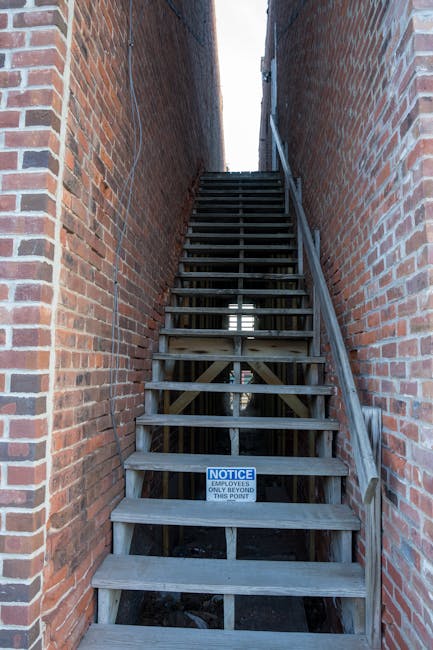
Most problems with narrow stair access clearances are preventable. They usually come from assumptions rather than bad luck.
- Assuming everything will fit intact. That is how wardrobes get stuck and tempers rise.
- Ignoring weight distribution. Some items are more awkward than heavy, which is a separate issue altogether.
- Blocking the hallway too early. If the route is cluttered, the team has nowhere to work safely.
- Forgetting shared-building etiquette. Noise, door propping, and stairway congestion matter in flats.
- Choosing the cheapest quote without checking the method. Low price is not much comfort if the service is poorly planned.
- Not confirming waste categories. Mixed loads can change the disposal route and the overall handling process.
One very common issue is underestimating how long "just a couple of items" will take. A single sofa can be more difficult than a mixed bag of smaller waste if the staircase is awkward. Truth be told, the sofa usually wins the argument.
If you want to avoid surprise charges as well as access problems, it is worth reading how to avoid hidden rubbish removal charges in Islington. Price clarity and access planning usually go hand in hand.
Tools, Resources and Recommendations
You do not need specialist kit for every flat clearance, but the right tools make awkward access far easier. In narrow stair buildings, good preparation matters more than brute strength.
| Tool or resource | Why it helps | Typical use |
|---|---|---|
| Measuring tape | Confirms whether furniture or appliances can turn safely | Before booking or dismantling |
| Furniture blankets / pads | Reduces scuffs and impact on walls | On stair rails, corners, and landings |
| Straps or grips | Helps keep load balanced on stairs | Heavy or awkward items |
| Screwdrivers / basic tools | Useful for dismantling beds, tables, or shelving | Before and during clearance |
| Clear waste list | Reduces confusion and saves time on the day | Booking and planning |
For practical service planning, a few internal pages are worth keeping in mind. If you are comparing options, start with the pricing and quotes page to understand how jobs are assessed. If safety is a concern in a tight stairwell, the insurance and safety information is also useful. And if you want to understand responsible disposal practices, the section on recycling and sustainability adds helpful context.
Sometimes people also ask whether a specific clearance should be grouped under house, furniture, or domestic waste. The answer depends on what is being removed and how it needs to be handled. You can use the broader service pages for reference: furniture removal, domestic waste collection, and house clearance.
Law, Compliance, Standards, or Best Practice
For this kind of work, the legal and best-practice side matters more than many people realise. You do not need to memorise every rule, but you should be confident that the waste is being handled responsibly and by a properly authorised operator.
In the UK, waste carriers are expected to follow relevant waste handling rules and manage disposal in line with the law. For a homeowner or tenant, the practical takeaway is straightforward: do not hand waste to anyone who cannot demonstrate compliance. That protects you as well as the building.
Best practice in narrow stair blocks usually includes:
- Using appropriate lifting methods for weight and access conditions
- Protecting shared property from avoidable damage
- Separating recyclable items where feasible
- Avoiding obstruction of communal routes for longer than necessary
- Providing clear communication if the item cannot be removed safely as originally planned
It is also worth checking whether your provider explains its operational standards openly. Pages such as waste carrier licence and compliance and about us can help you judge whether a company takes these responsibilities seriously. If you are the sort of person who reads the fine print before clicking yes, you will appreciate that.
For some properties, especially in older blocks, access can involve shared hallways, fire routes, and resident rules. Those are not just minor details. They shape how the clearance should be carried out. A careful provider will adapt rather than force the job through.
Options, Methods, or Comparison Table
There is more than one way to handle rubbish in a flat with narrow stairs. The right option depends on volume, item size, urgency, and how much planning you want to do yourself.
| Method | Best for | Pros | Limitations |
|---|---|---|---|
| DIY carry-down | Very small, light loads | No booking needed, full control | Highest strain and risk on narrow stairs |
| Scheduled collection service | Standard domestic waste and bags | Convenient and predictable | Less suitable for bulky furniture or awkward access |
| Specialist flat clearance | Bulky items, mixed waste, tight staircases | Safer, more organised, better for shared blocks | May require more detailed access information |
| Furniture dismantling before removal | Wardrobes, beds, tables, large shelving | Easier stair navigation, less damage risk | Takes extra time and basic tools |
For many Islington flats, a hybrid approach works best. For example, smaller bags can be removed whole, while a wardrobe is dismantled first and taken out in pieces. That kind of mixed method often gives the cleanest result, especially in period conversions where the stair angle changes halfway down the run.
If you want a fuller picture of the service menu, the builders waste removal page is useful for renovation jobs, while commercial waste removal is more relevant if the flat access problem comes from a business premises or mixed-use building.
Case Study or Real-World Example
Here is a realistic example drawn from the kind of jobs that come up all the time in Islington. A tenant in a second-floor flat needs to move out at the end of a tenancy. The building has a narrow staircase, a tight landing, and a shared entrance that several neighbours use throughout the day. The waste includes a bed frame, a mattress, a small wardrobe, a desk, and a few bags of mixed household rubbish.
At first glance, it sounds simple. But the staircase has a 90-degree turn halfway down, and the wardrobe is too wide to carry safely in one piece. The better solution is to dismantle the wardrobe, remove the bed frame in sections, and carry the mattress and bags separately. The hallway is kept clear, protective covers are placed at the worst pinch points, and the job is done in a sequence that keeps noise down and avoids blocking the stairwell for long.
What made it work was not speed alone. It was planning. The team knew what was coming, the resident knew what to expect, and the building stayed tidy. By the end, the flat looked empty in a good way - the kind of empty that means the next person can move in without inheriting a mess.
That may sound small, but in a busy part of London, small wins matter. Especially when you are trying to do three things at once and keep everyone onside.
Practical Checklist
Use this checklist before arranging a narrow-stair flat clearance. It keeps the job calmer, safer, and much less annoying on the day.
- Measure the narrowest stair width and any tight turns.
- Note whether the building has lifts, shared halls, or restricted access hours.
- List all items to be removed, including bulky or heavy pieces.
- Separate electricals, furniture, and general waste where possible.
- Decide whether any items should be dismantled first.
- Clear the hallway, landing, and doorway route before collection.
- Protect walls, rails, and corners if the route is especially tight.
- Confirm disposal method, especially for appliances and mixed waste.
- Check building rules for noise, parking, and resident access.
- Keep pets, children, and visitors away from the route during removal.
One small but useful habit: take a quick photo of the stair route before the job starts. If anything changes, you have a reference point. It sounds almost too basic to mention, yet it saves time more often than you'd think.
Conclusion
Narrow stair access rubbish clearance solutions Islington flats are all about matching the method to the building. In a compact London flat, you do not need heroic lifting; you need a careful plan, the right tools, and a team that understands how to move safely through awkward space.
When the route is measured, the waste is sorted, and the stairwell is treated with respect, the whole job becomes easier. That is true whether you are clearing a single bulky item or an entire flat before a move. The real win is not just getting rid of rubbish. It is doing it cleanly, safely, and without turning your home into a temporary obstacle course.
If you are comparing options or planning a flat clearance soon, start with the basics, ask the right questions, and choose a provider that takes access seriously. A little care at the beginning saves a lot of grief later. And honestly, that is worth a lot on a rainy Islington afternoon.
Get a free quote today and see how much you can save.