






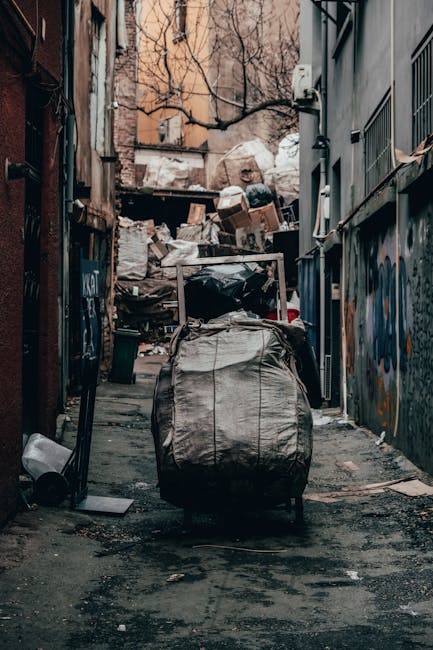
21/10/2026
If you are trying to pin down rubbish removal prices in Islington for 2026, you are probably...
Rubbish Clearance Islington provides rubbish clearance in Islington for homes, landlords, shops and workplaces that need unwanted items removed in a practical, tidy way. The service covers everyday domestic clear-outs, bulky furniture, appliance disposal, garden waste and builders’ debris, with the emphasis on matching the right collection to the type and volume of waste. If you want a straightforward way to clear space without handling the heavy lifting yourself, this page sets out the main options.
The work is organised around the material to be removed, the access available and the disposal route that best suits the load. That might mean a single-item uplift, a room-by-room clear-out or a larger mixed collection. We keep the focus on what is being taken away, what can be reused or recycled where possible, and what information helps shape a sensible quote. pricing and quotes is useful when you want to understand how the service is put together.
Use the service for one-off collections, end-of-tenancy clearances, office tidy-ups and similar jobs where waste has built up and now needs removing. Domestic and commercial loads can differ quite a bit, so the most appropriate approach depends on the items involved rather than on a one-size-fits-all rule. If you already know the main items, a short description is often enough to begin the process. When you are ready, you can make an enquiry in plain language and ask for a quotation.
Domestic rubbish clearance is suited to mixed household waste, bags of unwanted items, small furnishings and general clutter that no longer needs to stay in the property. It is often the most useful option when several categories of waste have built up at once, because a single collection can deal with a practical mix rather than separating every item before removal. This can be helpful after a declutter, before decorating or when a property needs tidying quickly and safely.
Where the load contains ordinary household items, the main decisions are usually about volume, access and whether anything should be set aside for reuse. A clear list of what needs removing helps produce a sensible estimate, especially if there are heavier objects, awkward access points or items that must be handled with care. If you are comparing options, our domestic waste collection in Islington page gives a clearer picture of this type of work.
Typical domestic work can include bagged rubbish, unwanted household goods, light furniture, old toys, boxes, fabrics and mixed non-hazardous waste from a house, flat or converted building. For larger or more complicated loads, it helps to note whether items are on upper floors, whether there is lift access and whether the collection involves a single room or the full property. A short inventory is often enough to keep the quote relevant to the actual job.
Bulky item removal is a common part of rubbish clearance when sofas, wardrobes, beds or other large pieces are no longer wanted. These jobs are usually less about the number of items and more about handling them carefully through the property and loading them efficiently. If you have a mixture of furniture and general rubbish, it can often be arranged as one collection rather than split into separate visits. For a closer look at this kind of work, see furniture removal in Islington.
Appliance disposal is another useful option when white goods, cookers or other domestic appliances have reached the end of their life and need removing from the property. Because these items can be heavy and may contain materials that need suitable handling, it is best to identify them clearly before collection. Our white goods and appliance disposal page is the relevant place to look if your load is mostly fridges, freezers, washing machines or similar items.
When clearance includes furniture and appliances together, the quote will usually depend on the total loading space required and any access constraints rather than on the item count alone. Stairs, narrow hallways and tight corners can all affect how the work is planned, so it is useful to mention them early. If some items are salvageable and others are not, the collection can still be arranged as one practical visit, with the contents described clearly from the outset.
Garden waste removal is suitable for branches, clippings, leaves, turf, soil in manageable quantities and other outdoor material that has built up after maintenance or landscaping. It is most helpful when waste would be awkward to place in a normal bin collection or when several bags and heavier organic items need moving together. For more detail on this service, the garden waste removal in Islington page covers the main type of outdoor clearance available.
Outdoor clearances often include a mix of green waste and non-green items such as broken planters, old fencing sections or dismantled garden furniture. These mixed loads can usually be handled if they are described accurately in advance, because the main task is to separate what can go with the garden material from anything that should be treated as a different kind of waste. The result is a more accurate quotation and a smoother collection on the day.
If the job follows pruning, landscaping or a general seasonal tidy-up, it helps to think about the collection in practical groups: loose green waste, bagged waste, heavier items and any pieces that may need extra handling. That simple structure keeps the enquiry focused without turning it into a long inventory. For many customers, the simplest route is to gather the waste in one place and then ask for a quotation based on the likely load size and access.
Builders’ waste removal is designed for renovation debris, offcuts, broken materials, packaging and other non-hazardous waste left after construction or refurbishment work. It is a practical option for domestic projects and smaller commercial jobs where a skip is not the most convenient solution. If you need a service that deals with post-work debris, the builders’ waste removal in Islington page is the most relevant place to read further.
The mix can vary quite widely, from timber, plasterboard and old fixtures to bagged rubble or dismantled fittings. For that reason, it helps to describe both the heavier waste and the lighter packaging or strip-out material in one short note. Renovation waste is rarely uniform, so a sensible quote usually reflects how much needs loading, whether the items are loose or bagged, and whether they are already gathered at ground level.
Where access is limited, the practical questions are usually about carrying distance, stair use and how the waste is stored before collection. A smaller project might only create a handful of bags, while a more involved refurbishment can produce a broader mixed load. Either way, the service is about removing the debris efficiently and leaving the area ready for its next stage rather than expecting the customer to sort every piece into separate disposal channels.
House clearance is the right choice when a property contains a broader mix of items that need removing in one organised process. That can include furniture, domestic rubbish, soft furnishings, appliances and general contents from one or more rooms. The service is often chosen when a home needs to be emptied in a structured way, because it brings several types of waste together under one clear plan. More detail is available on the house clearance in Islington page.
A good house clearance enquiry normally starts with the type of property, the rooms involved and whether everything is to go or whether some items will stay. Those details affect the scale of the work and help avoid unnecessary back-and-forth later. If there are valuables, fragile items or things that must remain in place, identifying them early keeps the process simple and reduces the chance of confusion on the day of collection.
Mixed household contents can be more efficient to remove as part of one arranged clearance than as several separate visits, especially where furniture, bags and loose items are spread across different rooms. The aim is not just to take away waste but to do so in a way that respects the layout of the property and the practical limits of the access available. When a house clearance is described clearly, the quotation can reflect the actual task more accurately.
Islington is a borough and district in North London with a long history shaped by settlement, trade and later urban development. The area includes a varied mix of Georgian terraces, Victorian streets, post-war estates and modern developments, with much of its character coming from the contrast between older residential neighbourhoods and busy commercial corridors. Upper Street is one of the best-known thoroughfares, lined with shops, eating places and civic buildings, while nearby side streets preserve quieter housing pockets and examples of historic townscape. The borough’s identity is also tied to transport routes, especially the Underground and rail connections that have helped shape movement across north and central London for generations. Angel, Highbury and Barnsbury each contribute their own local feel, with distinctive street patterns and architectural details that reflect different phases of growth. Green spaces such as Highbury Fields offer an important counterbalance to the density of the built environment, while smaller squares and pocket gardens add pockets of calm between terraces and apartment blocks. Cultural life is visible in theatres, music venues, independent businesses and markets, and the presence of venues around Chapel Market and nearby districts gives the area a strong everyday rhythm. Islington is therefore both a residential place and a busy urban centre, combining historical layers, active high streets and a highly walkable fabric that remains closely connected to the wider city.
For larger jobs, it can be useful to separate the work into stages: what is to be removed first, what can remain until later, and whether any items need extra handling because of weight or size. A short note about access, parking restrictions and the approximate amount of waste is usually enough to get a useful starting point. If the load includes a mixture of household items and heavier pieces, that mix should be mentioned together rather than split into multiple enquiries, because the combined load is what normally shapes the collection plan.
Simple preparation also helps the job run smoothly. If possible, group the items by room or by type, keep walkways clear and point out anything that should not be taken. That level of clarity makes the quotation easier to set up and helps avoid unnecessary delay when the collection is arranged. When you are ready to move forward, make a straightforward enquiry and request a quotation.
Commercial waste removal is useful for offices, shops, hospitality spaces and other workplaces that need unwanted items taken away without disrupting everyday activity more than necessary. It can cover broken chairs, shelving, packaging, archived material, fixtures and general non-hazardous rubbish from day-to-day trading or a small relocation. If your load comes from a business rather than a home, the commercial waste removal in Islington page is the best place to start.
Workplace clearances benefit from a clear description of what is being removed and whether the items are loose, boxed or already grouped together. That matters because commercial loads are often a mixture of office furniture, stock, packaging and miscellaneous waste, each of which may need a slightly different handling approach. A focused quote is easier to prepare when the practical details are separated from the broader business context and the main items are stated plainly.
For businesses, the best outcome is usually a collection that is predictable, tidy and suitable for the space being emptied. That may mean clearing one room, removing redundant furniture after a refit or taking away a build-up of waste from a stock area. The service is intended to support those jobs without overcomplicating them, so the conversation stays centred on the volume of material and the kind of access available.
Clear pricing usually depends on the amount of waste, the type of items, the access involved and whether the collection includes especially bulky or awkward pieces. Because every load is different, a useful quotation starts with the factual details rather than with a guess. pricing and quotes is the best page to consult when you want to understand how the service is assessed and what information is likely to matter most.
For most enquiries, two or three practical points are enough: what needs removing, where it is located and anything that could affect loading. That might include stairs, long carrying distances, items placed in a garden, or a mix of furniture and lighter waste in the same job. If you prefer to keep things simple, a short description and a few item types is often enough to begin, then the details can be refined if needed before the collection is arranged.
Responsible rubbish clearance is not only about removing items from a property; it is also about handling them through the right disposal route. The business information supplied on this site includes pages for recycling and sustainability, waste carrier licence and compliance and insurance and safety, which are all relevant when you want to understand how clearance work is organised and what standards are being referenced.
These subjects matter because the customer should know that a collection is not just a loading exercise. Items may need separating by material, some may be suitable for reuse or recycling, and others must be managed as general waste under the relevant controls. The practical point for the customer is simple: describe the load accurately, and the work can be planned in a way that fits both the property and the waste stream.
If you are choosing between a few different clearance options, it often helps to think about the end destination of the items as well as the removal itself. Mixed jobs are common, and they do not always need complicated preparation, but they do benefit from honest descriptions. That keeps the quotation realistic and makes it easier to arrange a collection that suits the material involved.
Whether you need a one-off household collection, a furniture uplift, garden waste removal or a more involved property clearance, the easiest next step is to send a short description of the job and ask for a quotation. You do not need to write a long brief. A clear note about the items, the location in Islington and any access detail is usually enough to begin the conversation and help the service match the right type of rubbish clearance to your needs.
If you want to compare the main service pages first, you can review the relevant option for your load and then narrow down the details from there. The service pages linked above cover the most common types of rubbish removal work, while the pricing information gives a better sense of how quotations are prepared. For a direct enquiry, use the contact us page and ask for a quotation today.
Use the plainest description that fits your situation, and keep any remaining questions focused on the collection itself. If the job is urgent, bulky, mixed or spread across several rooms, say so clearly in the first message. That gives the quotation the best chance of reflecting the work properly and helps move the process forward without unnecessary delay.
Rubbish clearance in Islington for homes, landlords and businesses, including bulky items, furniture, appliances, garden waste and builder’s debris. Request a quotation today.
If you are trying to pin down rubbish removal prices in Islington for 2026, you are probably...
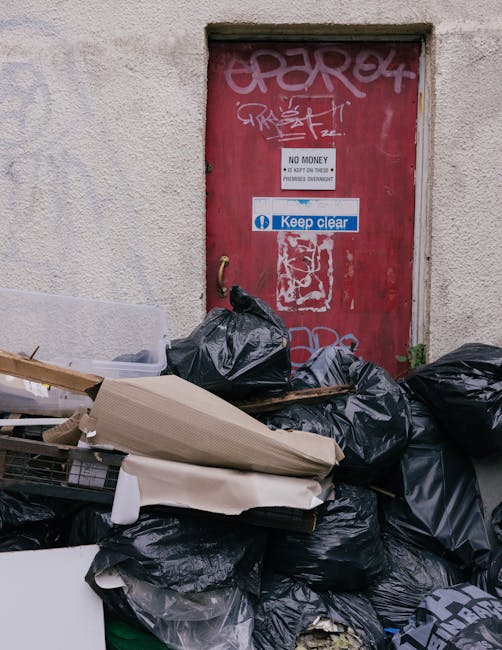
If you are trying to understand Fines for fly tipping Islington safe rubbish removal options, you...
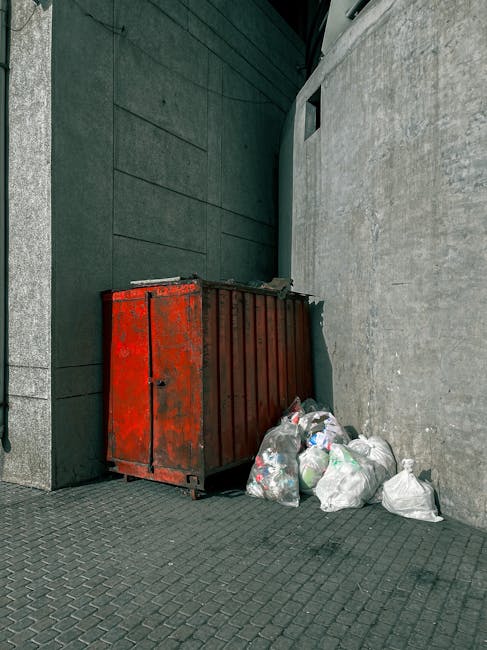
If you live, work, or manage property in Islington, bulky rubbish has a habit of appearing at the...

Cheap rubbish removal in Islington can look like a bargain at first glance.
If you live in a flat in Islington, you already know the little challenges that make rubbish...

If you have booked a same day rubbish removal in Islington, you probably want one thing: for the...
If you have ever had a rubbish quote look neat and reasonable at first, then swell once the team...
If you are trying to deal with rubbish after hours in and around Chapel Market, you are probably...

Sorting an estate is rarely just about "clearing stuff out".
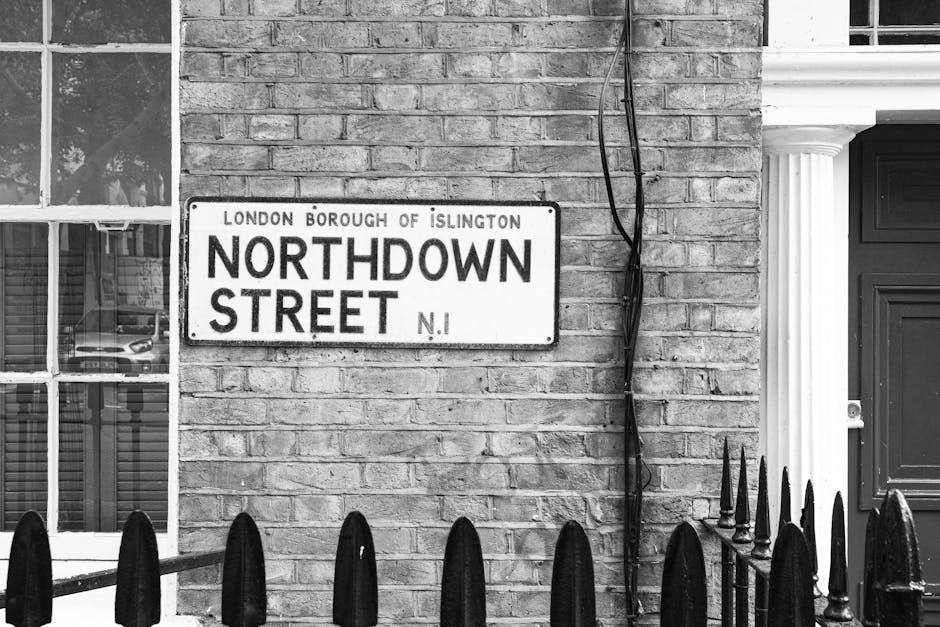
If you live, work, manage a property, or run a busy little business around Upper Street, rubbish...

If you live, work, rent, or run a business near Angel station, rubbish has a habit of building up...

Nestled in the heart of London, Islington may often be overlooked by tourists and locals alike....

 (83)
(83)
Please fill out the form below to send us an email and we will get back to you as soon as possible.