Rubbish removal prices Islington 2026 real cost guide
Posted on 21/10/2026
If you are trying to pin down rubbish removal prices in Islington for 2026, you are probably juggling two things at once: the need to clear stuff quickly and the worry that the final bill will creep up. Fair enough. Nobody wants a quote that looks tidy at first and then gets messy once the team turns up at the front door.
This guide breaks down the real cost factors behind rubbish removal in Islington, how quotes are usually built, where hidden extras can appear, and what good value actually looks like in a busy London borough. We will cover everything from access issues in flats to bulky waste, garden cuttings, builders' waste, and what to ask before you book. If you want a practical, human answer rather than vague sales talk, you are in the right place.
For readers comparing service types, it can also help to look at the wider services overview and the company's pricing and quotes information alongside this guide.
Why Rubbish removal prices Islington 2026 real cost guide Matters
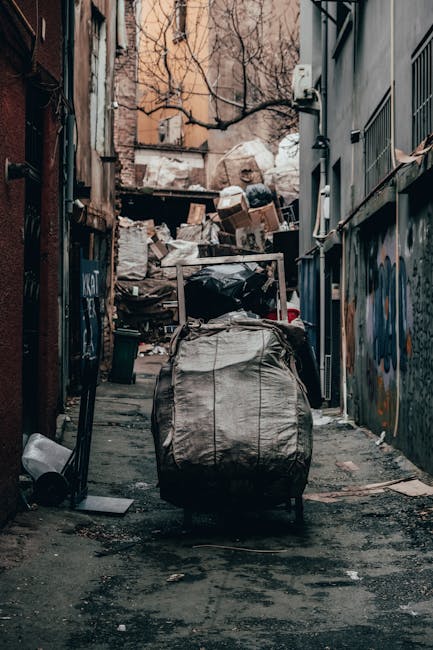
Islington is not the kind of place where waste clearance is always simple. You have basement flats, narrow stairwells, controlled parking, mixed-use streets, and the occasional awkward corner where a van can stop for about thirty seconds, if you are lucky. That means pricing is rarely just about how much rubbish you have. It is also about access, labour time, parking pressure, loading distance, and disposal type.
That is why a real cost guide matters. A cheap headline price can be misleading if it does not include the bits that often show up in the real world: carrying rubbish down three flights of stairs, sorting mixed materials, waiting for access, or dealing with heavy items like sofas and white goods. On the other hand, a transparent quote can save you money because you know exactly what you are paying for, and what you are not.
In 2026, customers are also more cost-aware than ever. People want fast service, but they also want traceable, lawful disposal and a team that does not leave them guessing. To be fair, that is sensible. Rubbish removal should feel straightforward, not like decoding a tax return.
Expert takeaway: the "real" price is the one that reflects your actual load, your access conditions, and the correct disposal route - not just a vague estimate thrown out over the phone.
How Rubbish removal prices Islington 2026 real cost guide Works
Most rubbish removal companies price jobs using a mix of volume, weight, item type, labour time, and disposal costs. In plain English, they look at how much space your waste takes up, how heavy it is, how hard it is to remove, and where it needs to go afterwards. That last part matters more than people think.
A standard booking often starts with a description or photos. From there, the company estimates the load size and decides whether it is a light domestic collection, a bulky item job, a builders' waste clearance, or something more specialist. Some firms quote by "load size" or van capacity; others use a more itemised approach. Neither is automatically better, but the details should be clear enough that you can compare like with like.
Here is the part people sometimes miss: two jobs that look similar on paper can cost very differently in Islington. One may be a ground-floor flat with easy street access. Another may involve a tight stairwell, no lift, and a parking headache. Same amount of rubbish? Maybe. Same cost? Not likely.
For general domestic clearances, a page like domestic waste collection in Islington can help you understand the kind of work usually included. For heavier or more awkward loads, builders' waste removal in Islington is useful context too.
A practical way to think about it:
- You describe the waste as accurately as possible.
- The provider estimates space, labour, and disposal class.
- The quote may adjust if access is harder than expected.
- The team loads, sweeps up, and disposes of the waste through the proper channels.
Simple enough in theory. In practice, the quote is only as good as the information you give. If you forget the old wardrobe hidden behind the sofa, the price can change on the day. Not ideal, obviously.
Key Benefits and Practical Advantages
Paying for professional rubbish removal is not only about getting stuff out the door. The real benefit is time, convenience, and fewer mistakes. In a place like Islington, those three things can be worth a lot.
- Clearer budgeting: a proper quote helps you plan the move, renovation, or clear-out without nasty surprises.
- Less physical effort: no wrestling a broken wardrobe down a narrow staircase by yourself.
- Faster turnaround: useful when you have tenancy deadlines, sale preparations, or trades arriving the next morning.
- Cleaner outcome: many services include sweeping up after collection, which sounds small but makes a big difference.
- Better compliance: choosing a legitimate carrier reduces the risk of waste being dumped illegally.
The convenience factor really shows up in real life. If you have ever tried to move a fridge out of a cramped Victorian terrace hallway, you will know what I mean. It is the sort of thing that seems manageable until the moment it absolutely is not.
There is also a psychological benefit. Once the waste is gone, the room feels different. Lighter. More usable. Sometimes that is enough to get a project moving again, which is half the battle in busy homes and workspaces.
Who This Is For and When It Makes Sense
This guide is for anyone in Islington who needs waste removed and wants a sensible grip on cost before booking. That includes homeowners, tenants, landlords, letting agents, tradespeople, shop managers, office teams, and anyone clearing a property after a renovation or tenancy change.
It makes particular sense if you are dealing with:
- single bulky items such as sofas, mattresses, wardrobes, or appliances
- household clear-outs after a move, breakup, or bereavement
- garden waste after pruning, landscaping, or end-of-season maintenance
- builder's rubble, timber offcuts, old tiles, or packaging
- commercial rubbish from a fit-out, stockroom tidy, or office refresh
If your waste is mixed, bulky, or awkward to move, a dedicated clearance service often makes more sense than trying to piece together council collections or hiring a skip that sits outside for days. Not always, but often. And if you live in a flat with narrow access, that point becomes even more important.
For larger home clear-outs, house clearance in Islington can be a more relevant option than a simple one-off item pickup. If the job is tied to a business premises, commercial waste removal in Islington is the better fit.
One more thing: if you are only dealing with a few small bags, a full collection service may be overkill. Sometimes the cheapest option is not the specialist service at all. That is just honest advice.
Step-by-Step Guidance
If you want the clearest possible price and the least amount of stress, follow this process. It is not glamorous, but it works.
1. List everything you want removed
Write it down properly. Include furniture, bags, rubble, white goods, garden waste, or anything tucked behind a door that you might otherwise forget. A short list is fine, but make it complete.
2. Separate the waste by type
Mixed waste is often more expensive than a neat pile of one material. A sofa, a few bags of clothes, and a broken shelf are not the same as a uniform load of cardboard or wood. Sorting in advance can improve the estimate.
3. Note access details
Is there a lift? Is parking available? How many floors? Is the entrance on a busy road or tucked into a mews? These details matter, especially in Islington, where street access can be tight and time at the kerb is often limited.
4. Ask how pricing is calculated
Ask whether the quote is based on volume, weight, item count, labour, or a combination. Ask what can change the price on arrival. The answer should be direct, not vague.
5. Check what is included
Look for loading, labour, disposal, and cleanup. If a company offers a low initial quote but charges for stairs, congestion, or extra items later, the headline price is less useful than it first looked.
6. Compare more than one provider
Two quotes can both look reasonable and still mean very different things. One might include all labour. Another might not. Compare the full picture, not just the number at the bottom.
7. Confirm the booking details in writing
Even a brief confirmation message is helpful. It reduces misunderstandings about timing, access, and expected load size. Small thing, big difference.
Expert Tips for Better Results
In our experience, the best rubbish removal bookings are the ones where the customer gives a clear, slightly over-detailed description. That might sound obvious, but it saves time and money more often than people realise.
Here are a few practical tips that genuinely help:
- Take photos in daylight. If you can, snap the waste from a few angles so the load is easy to judge.
- Put heavy items together. A tidy pile helps the crew assess labour and access quickly.
- Be honest about awkward access. A narrow stairwell is not a minor detail; it is pricing information.
- Ask about specialist items. Fridges, mattresses, chemicals, plasterboard, and electrical items can have different handling requirements.
- Book at the right time. If you are flexible, midweek slots can sometimes be easier to secure than busy weekend windows.
Another useful habit is to keep a small "yes/no" list ready before the collector arrives. Yes, the old chair stays. No, the toolbox is not going. It sounds almost comically simple, but it stops last-minute confusion. And confusion is where extra cost often sneaks in.
If your project includes a lot of packaging, old fixtures, or mixed debris, the recycling angle matters too. A company's recycling and sustainability approach can tell you a lot about how carefully they sort material after collection.

Common Mistakes to Avoid
A lot of bad experiences with rubbish removal come down to the same handful of mistakes. None of them are dramatic on their own, but together they can turn a simple job into a frustrating one.
- Describing the load too vaguely. "A bit of rubbish" is not enough if the pile includes a sofa, a desk, and two broken cupboards.
- Ignoring access issues. If the crew has to carry waste a long distance, the job may cost more than expected.
- Choosing the cheapest quote without checking what is included. Cheap can be fine. Cheap and vague is where trouble starts.
- Mixing prohibited or specialist items with general rubbish. This can affect disposal costs and timing.
- Leaving everything to the last minute. If you need a same-day slot, you may have fewer options and higher demand.
There is also a softer mistake: assuming all waste removal companies work the same way. They do not. Some are brilliant at complex access jobs; others are better at straightforward collections. Matching the company to the job is a small bit of thinking that pays off.
And yes, sometimes people underestimate how much stuff they actually have. The classic "that's not much" pile by the hallway can look very different once it is all laid out. Funny how that happens.
Tools, Resources and Recommendations
You do not need much to prepare for a rubbish removal booking, but a few simple tools make the process easier.
- Phone camera: take clear pictures of the waste, access route, and parking situation.
- Measuring tape: helpful for large furniture or items that may not fit through doors or stair corners.
- Notepad or phone notes: list item types and quantities so you can describe the job clearly.
- Basic sorting boxes or bags: useful if you want to separate reusable, recyclable, and general waste.
It can also help to read a few related pages if you are comparing service types. For example, if you are clearing old seating, the furniture removal in Islington page is relevant. If you are dealing with broken appliances, see white goods and appliance disposal in Islington. And if the job is mostly outdoor material, garden waste removal in Islington may be the better match.
If you are comparing service quality, the company's about us page can also be worth a look. It gives a sense of who you are dealing with, which, truth be told, matters as much as price when waste is leaving your property.
Law, Compliance, Standards, or Best Practice
Waste removal is not just a pricing question. It is also a compliance question. In the UK, waste should be carried, sorted, and disposed of properly, and customers are wise to make sure the company they use follows the right standards. You do not want your unwanted sofa ending up somewhere it should not be. Nobody does.
Best practice means using a legitimate waste carrier, handling waste safely, and disposing of it through proper facilities. It also means being careful with materials that may need special treatment, such as electrical items, heavy rubble, or certain mixed construction wastes.
Safety matters too. If an item is too heavy, too large, or too awkward to move safely, professional removal is often the better choice. A good team should work with safe lifting methods and sensible planning rather than rushing through a difficult access route.
For a more detailed look at the standards behind lawful handling, the pages on waste carrier licence and compliance and insurance and safety are useful references. They help explain why a proper setup is worth paying for.
Islington residents should also be careful not to hand waste to anyone offering a suspiciously cheap, cash-only service with no paperwork. That is exactly how fly-tipping problems start. If you want a fuller explanation of the risks, see fines for fly-tipping and safe rubbish removal options in Islington and Islington council rules for bulky waste and rubbish disposal.
Options, Methods, or Comparison Table
If you are deciding how to clear waste in Islington, it helps to compare the main options side by side. The right answer depends on how much you have, how quickly it needs to go, and whether access is awkward.
| Option | Best for | Typical strengths | Possible drawbacks |
|---|---|---|---|
| Man and van rubbish removal | Mixed household waste, bulky items, quick clearances | Flexible, fast, usually handles loading for you | Price can vary with access and load size |
| Skip hire | Longer projects with a lot of waste | Useful if you are generating waste over several days | Needs space, permits may be needed, and waste is your responsibility to load |
| Council bulky waste or similar service | Limited item counts or straightforward collections | Can suit smaller loads | May be less flexible on timing and item types |
| Self-loading disposal trip | People with a suitable vehicle and time | Direct control, useful for small controlled loads | Time-consuming, physically demanding, and not always practical in London |
For many Islington households and businesses, man-and-van style clearance is the sweet spot: quicker than skip hire, less effort than self-hauling, and more flexible than rigid collection windows. But if you have building waste from a longer project, the numbers can shift. That is where a quote tailored to your actual load becomes valuable.
Case Study or Real-World Example
Here is a realistic example from the kind of job people book all the time.
A one-bedroom flat near Angel needs clearing after a tenant move-out. The job includes a mattress, a sofa, a small desk, two chairs, a broken shelving unit, and six bags of mixed household waste. The flat is on the third floor, there is no lift, and street parking is limited at the best of times. On paper, it sounds like a standard clearance. In reality, it needs a bit more planning.
The company asks for photos, confirms the item list, and notes the stair access. The final quote reflects the labour involved in carrying everything down, plus the disposal costs for mixed waste and bulky furniture. The customer might have expected a lower "starting" price, but once the access and load are properly counted, the quote makes sense. More importantly, there are no surprises on the day.
Now imagine the same job but with a missing detail: the customer forgets to mention the old filing cabinet in the hallway and the half-full cupboard of books. The quote changes. Not dramatically every time, but enough to annoy everyone. That is why clear information is worth its weight in, well, rubbish removal.
This sort of job is also where good local knowledge helps. If you are working near busy streets or tight residential blocks, a crew used to local access conditions can usually plan more smoothly. A quick look at rubbish clearance near Angel Station and Upper Street tips for rubbish removal in N1 shows how local access can shape the job.
Practical Checklist
Use this before you book. It saves hassle.
- List every item or bag you want removed.
- Take clear photos of the waste from more than one angle.
- Note whether the job is ground floor, upstairs, basement, or lift access.
- Check if parking is easy, restricted, or likely to be awkward.
- Separate general waste from recyclables, if possible.
- Flag any heavy, fragile, or specialist items.
- Ask how the quote is calculated.
- Confirm what is included: labour, loading, disposal, and cleanup.
- Check that the provider uses proper compliance and safety procedures.
- Get the booking details confirmed before collection day.
If you can tick most of those off, you are in good shape. If not, spend ten extra minutes on the prep. It really does pay back.
Get a free quote today and see how much you can save.
Conclusion
The real answer to rubbish removal prices Islington 2026 real cost guide is that price depends on more than just the rubbish itself. Access, labour, waste type, timing, and disposal method all play a role. Once you understand those moving parts, it becomes much easier to compare quotes properly and avoid paying for vague promises.
If you are in Islington and want a fast, lawful, and sensible clearance, focus on clarity first and price second. The cheapest option is not always the best value, and the best value is usually the one that removes stress as well as waste. That is the bit people remember later, when the room is clear and the dust has settled.
Do the prep, ask the right questions, and choose a provider that explains things plainly. Simple. Not always easy, but simple.
And when the last bag is gone and the space opens up again, it can feel surprisingly good. A little lighter. A little easier. That matters more than people think.