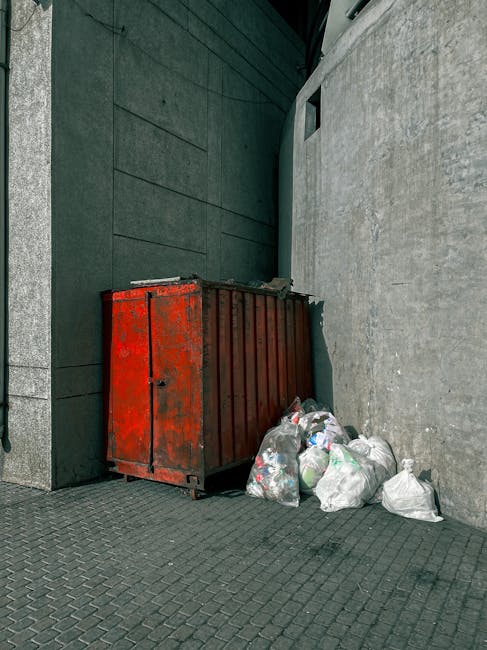
Rubbish removal N1 Islington Upper Street tips
Posted on 08/05/2026
Rubbish removal N1 Islington Upper Street tips: a practical local guide for quicker, cleaner clear-outs
If you live, work, manage a property, or run a busy little business around Upper Street, rubbish tends to build up faster than you expect. One minute it's a flat refurb, a weekend sort-out, or a stockroom clear-down; the next it's bags in the hallway, awkward furniture in the way, and a vague sense that "I'll deal with it tomorrow" has already run its course. These Rubbish removal N1 Islington Upper Street tips are here to make the process simpler, safer, and a lot less stressful.
Truth be told, rubbish removal in this part of Islington is rarely just about lifting stuff into a van. You're often dealing with tight stairwells, permit-sensitive streets, neighbours close by, and a mixture of household, trade, or commercial waste. This guide walks you through how it works, what to watch for, how to avoid common mistakes, and how to make a sensible choice whether you are clearing a flat near Angel, a shop on Upper Street, or a house packed with mixed items.
Along the way, you'll also find useful links to service pages, compliance information, and local guidance so you can explore the right next step without having to chase around the site. Let's make it straightforward.
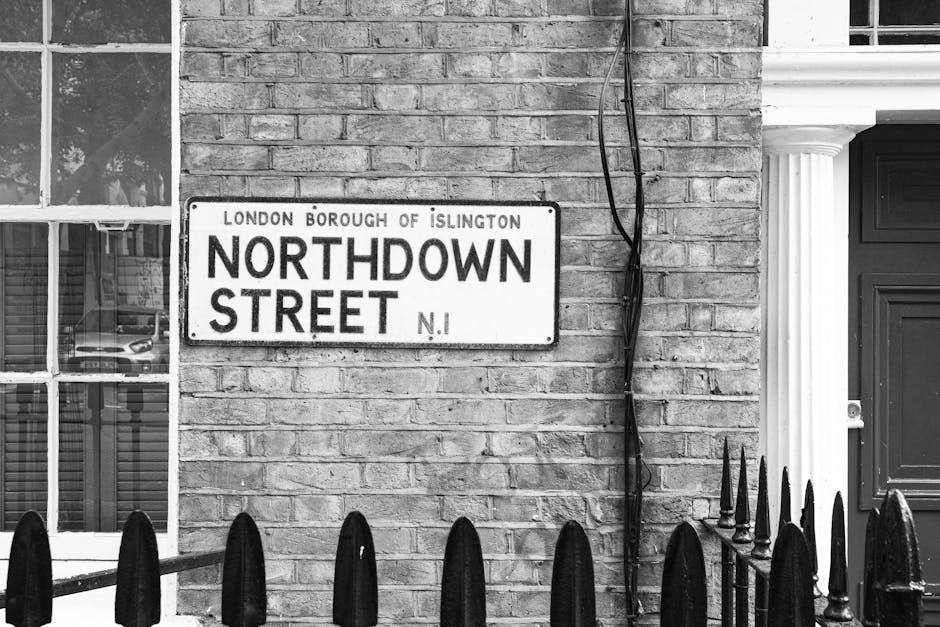
Why Rubbish removal N1 Islington Upper Street tips Matters
Upper Street is lively, compact, and always in motion. That's part of the charm. It also means waste can become a problem quickly if it is not planned properly. A stack of boxes outside a shop can block pedestrians. A sofa left on a landing can make a staircase awkward or unsafe. Even a few black bags in the wrong place can turn into a neighbour complaint if they sit there too long.
So why does local know-how matter? Because rubbish removal in N1 is shaped by the practical reality of the area. Narrow access, parking constraints, loading limitations, and mixed-use buildings all affect how a collection should be planned. A good approach is not only about getting rid of items. It is about doing it without causing disruption, damage, or unnecessary delay.
There's also a waste hierarchy angle to think about. Not everything needs to go straight to disposal. Some items can be reused, donated, repurposed, or recycled. If you are trying to reduce your environmental impact, or simply avoid wasteful habits, a more considered clearance makes sense. You can read more about this through the site's recycling and sustainability guidance and the broader discussion in the environmental impact of landfills.
There's a business side too. For landlords, agents, shop owners, and contractors, a tidy clearance can mean fewer delays, better presentation, and less risk of leaving a property in a messy state. If you are preparing for a handover, a sale, or a new tenant, timing matters. A lot.
How Rubbish removal N1 Islington Upper Street tips Works
At its simplest, rubbish removal follows a few basic steps: identify what needs removing, sort it into sensible categories, arrange the collection, and make sure it is handled responsibly. In the real world, of course, each step benefits from a bit of care.
Most removals around Upper Street fall into one of these patterns:
- Domestic clearances for flats, homes, or shared properties
- Furniture removals for bulky items, old beds, sofas, wardrobes, and chairs
- White goods disposal for fridges, freezers, washing machines, and similar appliances
- Builders' waste removal after refurb, fit-out, or maintenance work
- Commercial waste removal for offices, shops, and hospitality spaces
- Garden waste removal for cuttings, branches, soil, and green waste
- House clearance for larger or more sensitive full-property jobs
The key thing is to match the service to the waste stream. A mixed load is fine in many cases, but certain items need special handling. For example, electrical appliances, heavy plasterboard, or hazardous materials are not something you want to guess your way through. If you are unsure, the safer move is to ask first rather than assuming everything can go in one go.
A decent service will also be clear about process and accountability. That means discussing access, loading points, item types, and collection timing up front. If you want a broader overview of what's available, the services overview page is a sensible place to start.
And yes, local logistics matter. Parking in Islington can be a bit of a dance. If a clearance team understands the area, they're more likely to plan around it instead of discovering the awkward bits on the day. Which, to be fair, nobody enjoys.
Key Benefits and Practical Advantages
A well-planned rubbish removal job brings more than a clean floor. It can save time, prevent stress, and help you avoid small problems becoming expensive ones later.
Here are the main practical benefits:
- Speed: a single collection can clear days' worth of dragging bags about the place.
- Convenience: you avoid multiple trips to disposal points or the hassle of hiring and loading a skip.
- Safety: bulky items, broken glass, and heavy waste can be handled with less risk when done properly.
- Better presentation: important for rentals, estate viewings, retail spaces, and offices.
- Compliance: using a proper waste carrier reduces the risk of fly-tipping trouble.
- Environmental responsibility: reusable or recyclable items can be separated where possible.
For many readers, the biggest benefit is mental. There's something oddly freeing about seeing a cluttered room turn into a usable space again. A spare room becomes a home office. A hallway feels wider. A back yard stops looking like a storage problem and starts looking like a place you might actually sit in with a tea. Simple, but noticeable.
If your removal is tied to a wider move or property event, it can help to look at local housing and transaction context too. The site's guide to real estate in Islington and real estate transactions in Islington offer useful background for anyone coordinating clear-outs around sales, lettings, or refurbishments.
Who This Is For and When It Makes Sense
This kind of local rubbish removal guide is useful for more people than you might think. It is not just for builders or landlords. In fact, a lot of the most urgent jobs happen in ordinary everyday situations.
You may need rubbish removal in Upper Street or nearby N1 if you are:
- moving out of a flat and have accumulated bulky unwanted items
- renovating a kitchen, bathroom, or whole property
- clearing a probate property or assisting a family member with a house clearance
- upgrading office furniture or replacing commercial stockroom equipment
- discarding broken appliances that are too heavy for normal bin collection
- tidying a garden, courtyard, or shared outdoor area
- preparing for an event, launch, or seasonal reset in a business premises
It also makes sense when you simply do not want the job hanging over you. There's a point at which "I'll sort it later" becomes its own kind of clutter. If you have got old furniture in the way, for instance, it may be more efficient to arrange a direct furniture removal than to keep shifting it from one room to another every weekend.
Household users often find domestic waste collection in Islington useful for regular clear-outs, while landlords and families handling larger properties may prefer the broader scope of house clearance in Islington. If the items are mostly sofas, wardrobes, or beds, furniture removal in Islington is often the cleanest option.
Not every job is urgent, but when access, deadlines, or stress are in the mix, making the call sooner rather than later usually helps. That's the honest answer.
Step-by-Step Guidance
Here is a straightforward way to handle rubbish removal around Upper Street without overcomplicating it.
- Walk through the space first. Make a rough list of what needs to go. Be realistic. Half-used items you "might need one day" can quietly slow the job down.
- Separate by type. Put furniture, general rubbish, electrical items, green waste, and building debris into different rough piles if you can.
- Identify anything awkward. Fridges, freezers, mattresses, paint tins, and sharp or heavy items should be flagged early.
- Check access. Measure narrow corridors, stair turns, basement steps, or lift access if the item is large. A wardrobe that looks manageable in the room can become a problem halfway down the stairs. Funny how that works.
- Choose the right collection type. For mixed domestic waste, a general collection may be enough. For renovations, a specialist builders' waste service is usually more suitable.
- Ask about licensing and insurance. This is not an awkward question. It is a smart one.
- Confirm timing and loading arrangements. Especially important on busy roads near Upper Street where you want to avoid disruption.
- Prepare the area. Clear small obstacles, protect surfaces if needed, and keep pets or children away while loading happens.
- Ask about recycling and reuse. If you want items diverted from landfill where possible, say so clearly before the job starts.
- Do a final sweep. Check cupboards, under beds, behind doors, and in loft spaces. The number of times a small item gets left behind is, frankly, annoying.
If your project has a trade angle, the dedicated builders' waste removal in Islington page is worth reviewing. For appliance-heavy jobs, the white goods and appliance disposal service can save a lot of faff.
Expert Tips for Better Results
Most rubbish removal problems are preventable. The trick is to think like the person doing the lifting, loading, and disposal before the van arrives.
Practical tips that genuinely help:
- Photograph the load in advance. It helps with quoting and reduces the chance of surprises.
- Keep routes clear. Hallways, landings, and doorways should be free from small obstacles.
- Separate donation-worthy items. A usable chair is not the same thing as broken waste, and that distinction matters.
- Label anything fragile or hazardous. Even if it seems obvious to you, make it obvious to everyone else too.
- Choose the right time of day. In a place like N1, off-peak loading can make the whole job smoother.
- Plan for one extra bag. There is almost always one more bag. Somehow.
Another tip: don't leave decisions until the van is at the door. If you are unsure whether an item should go, decide before collection day. That way, the team can plan around it instead of pausing in the middle of the job while everyone stands there politely pretending not to be in a rush.
If you want to understand who is handling your waste and how they operate, the company's about us page and waste carrier licence and compliance information are worth a look. For a broader trust check, the insurance and safety page also helps set expectations.
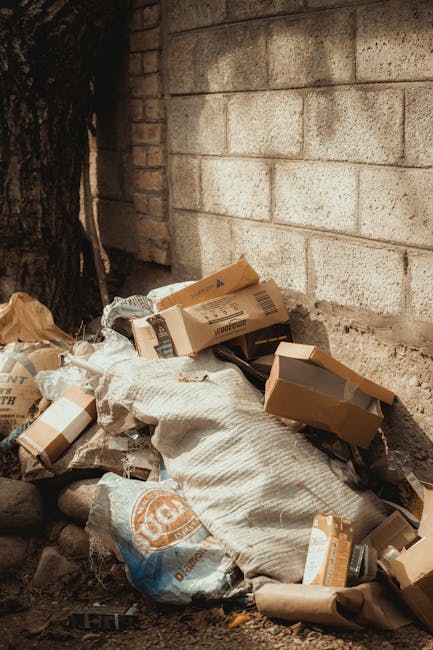
Common Mistakes to Avoid
Some mistakes are small. Others can create real headaches. The good news is they are easy to avoid once you know what to look for.
- Assuming every item is standard household waste. Appliances, paint, builders' debris, and some business waste need specific handling.
- Forgetting access issues. A tight staircase or no parking nearby can change the whole job.
- Not checking the waste carrier status. If waste is fly-tipped later, you do not want to be tied to the wrong operator.
- Mixing everything together without thinking. Mixed loads are normal, but some separation can improve recycling and reduce cost.
- Leaving it too late. Timelines are where most stress starts.
- Choosing only on price. The cheapest option is not always the safest or cleanest one.
One particularly common issue in Islington is underestimating how much time access will take. A job may seem tiny from the outside, then turn into repeated trips through a narrow communal entrance with awkward turns and a lift that is just a bit too small. Not ideal. A good operator will allow for that, but only if they know in advance.
It is also worth reading the provider's terms and conditions and pricing and quotes guidance so you know how volume, item type, and access affect the final arrangement.
Tools, Resources and Recommendations
You do not need a van, a trolley, and three friends to handle every clearance. But a few simple tools and resources can make the process much easier.
Useful tools for prep:
- strong bin bags for loose waste
- packing tape and marker pens for labelling
- work gloves for sorting and moving smaller items
- dust sheets or old blankets to protect floors and banisters
- a measuring tape for bulky furniture and appliances
- phone camera for documenting what needs removing
Useful reading and service resources:
- Recycling and sustainability guidance if you want to keep more out of landfill
- Domestic waste collection for regular household clear-outs
- Commercial waste removal for shops, offices, and customer-facing premises
- Garden waste removal for outdoor jobs and seasonal tidy-ups
For some people, the best starting point is simply a quote request and a short conversation. You explain the job, send a couple of photos, and get guidance back. Much better than guessing, especially if the waste includes bulky items or mixed materials.
If you want to get a feel for service style before booking, the company's area-focused content like rubbish clearance near Angel Station made easy can also be helpful, because the access and timing challenges are often very similar.
Law, Compliance, Standards, or Best Practice
Waste removal is one of those jobs where a little due diligence goes a long way. You do not need to become a compliance expert, but you should understand the basics.
In the UK, waste must be handled by an authorised operator, and it is sensible to check that any company collecting your rubbish has the right waste carrier credentials. That matters because once waste leaves your property, you still want confidence that it is being handled responsibly, not dumped somewhere careless. If you are hiring someone without checking, you are taking an avoidable risk.
Best practice usually includes:
- using a properly registered waste carrier
- being clear about what material is being removed
- separating recyclable items where practical
- handling electrical goods and bulky items correctly
- following reasonable site safety steps during loading
If a job involves business premises or renovation waste, the standards become even more important. Builders' waste, electrical waste, and commercial waste all come with expectations around classification, transport, and disposal. It is not glamorous stuff, but it matters.
You can review relevant trust pages such as waste carrier licence and compliance and insurance and safety before you book. If you are concerned about how your personal information is handled during a quote or booking, the site's privacy policy and payment and security pages are also useful. Small detail, yes, but reassuring.
Options, Methods, or Comparison Table
Different waste jobs call for different methods. There is no single "best" option for every situation, so it helps to compare them in plain English.
| Option | Best for | Strengths | Watch-outs |
|---|---|---|---|
| General domestic waste collection | Household clutter, bagged waste, mixed small items | Simple, quick, convenient | May not suit heavy or specialist materials |
| Furniture removal | Sofas, beds, wardrobes, tables | Good for bulky items and awkward lifting | Access needs checking carefully |
| White goods disposal | Fridges, freezers, washing machines | Proper handling of heavy appliances | Some items may need special treatment |
| Builders' waste removal | Refurbs, strip-outs, renovation debris | Designed for heavier trade waste | Needs clear item breakdown in advance |
| House clearance | Large property clear-outs, probate, end-of-tenancy jobs | Thorough and flexible | Can take more planning if there are multiple room types |
For many Upper Street jobs, the best choice is not the cheapest-sounding one, but the one that fits the access and waste type properly. That's the bit people often miss.
Case Study or Real-World Example
Here is a realistic example. A landlord with a flat close to Upper Street needed a quick turnaround after a tenancy ended. The property was not full of rubbish, but there were a few bulky pieces: a mattress, a broken chest of drawers, two office chairs, a small fridge, and a pile of mixed bags in the kitchen. Nothing dramatic. Just enough to be annoying.
The useful move was to sort the items before collection day. The appliance was separated from the furniture. The bags were tied and brought into one room. Access through the building was checked, and the loading route was discussed in advance. That meant the team could work quickly once on site, without wandering around the flat trying to work out what stayed and what went.
The result was a tidy space, minimal disruption to neighbours, and a much easier handover. No grand story here. Just a job done properly, which is what most people want anyway.
If you are handling a similar situation, the combination of house clearance, appliance disposal, and good access planning usually gets you the cleanest outcome. And if the property forms part of a move or sale, a look at local opinions on Islington as a home can be a nice reminder of why keeping a space presentable matters in this area.
Practical Checklist
Use this checklist before you book or before collection day. It keeps things simple.
- Identify all items that need removing
- Separate furniture, appliances, general waste, and green waste
- Take photos for reference and quoting
- Check access, stairs, lifts, and parking restrictions
- Confirm whether the load includes any heavy or specialist items
- Ask about recycling, reuse, and disposal method
- Verify waste carrier compliance and insurance
- Review pricing, terms, and payment details
- Clear hallways and protect delicate surfaces if needed
- Do a final room-by-room check before the team leaves
Quick takeaway: the more organised you are before collection day, the smoother the removal will feel. A little prep saves a surprising amount of hassle.
Conclusion
Rubbish removal around N1 and Upper Street does not have to be a headache. If you plan the access, match the service to the waste, and choose a proper licensed operator, the job becomes much more manageable. The real win is not just a clean space. It is the sense that things are back under control.
Whether you are clearing a flat, tackling renovation debris, sorting out a shop refit, or simply trying to get a room back, the best results usually come from a calm, practical approach. A few smart decisions up front save time later. That is the whole game, really.
Get a free quote today and see how much you can save.
If you are still weighing up the best route, start with the service pages, check the compliance information, and then decide what fits your job best. The right clearance support should feel easy, not mysterious. And once the clutter is gone, the place tends to feel lighter straight away.