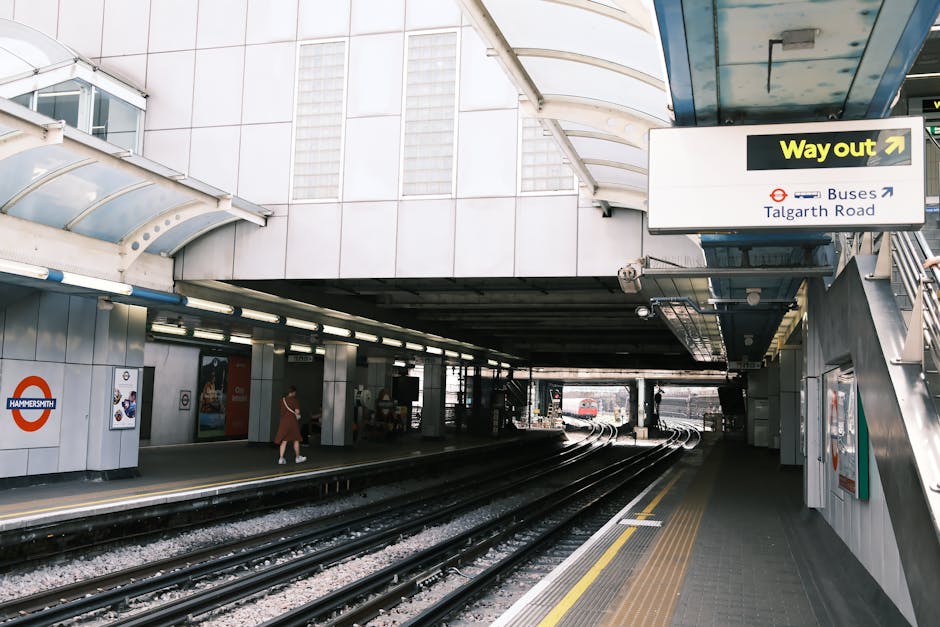
Rubbish clearance near Angel station Islington made easy
Posted on 30/04/2026
If you live, work, rent, or run a business near Angel station, rubbish has a habit of building up at the worst possible moment. A hallway turns into a storage zone. A flat move creates a pile of boxes, broken furniture, and odd bits you meant to sort out last weekend. A shop refit leaves bags, packaging, and bulky waste that cannot just sit there. That is where Rubbish clearance near Angel station Islington made easy starts to matter: not as a luxury, but as a simple way to get your space back without turning the day into a minor disaster.
This guide explains how local rubbish clearance works, what to expect, how to choose a reliable service, and what good practice looks like in Islington. It also covers pricing, compliance, recycling, and the practical questions people usually ask right before they book. To be fair, once you know the basics, the whole process becomes much less stressful.
One thing people often underestimate is how different a quick local collection feels from a full DIY clear-out. Near Angel, access can be tight, parking can be awkward, and waste often needs shifting through busy streets, stairwells, or managed buildings. So the easier route is usually the smarter one.
Useful internal resources if you want to explore related services and trust information: our services overview, pricing and quotes, and waste carrier licence and compliance.

Why Rubbish clearance near Angel station Islington made easy Matters
Angel is one of those parts of Islington where life moves quickly. Flats are compact, businesses are busy, and shared buildings can fill up with things faster than you expect. A few old chairs in the corner, renovation offcuts in the hallway, a fridge that stopped working months ago, and suddenly the place feels smaller, messier, and harder to live in.
Local rubbish clearance matters because it solves a very ordinary but very real problem: waste needs moving out safely, efficiently, and legally. Near Angel station, that can involve narrow entrances, lift restrictions, controlled parking, and neighbours who would quite like the corridor clear, thank you very much. A good clearance service is not just about lifting items. It is about timing, logistics, care, and getting the job done without fuss.
There is also a wider environmental and community point. Waste left out incorrectly can attract complaints, create hazards, and in some cases lead to fly-tipping problems. If you want a broader view of why disposal choices matter, the article on the environmental impact of landfills gives useful context.
Practical takeaway: the best clearance is the one that removes clutter quickly, handles bulky items properly, and leaves you with no guesswork about where the waste went.
That is the real benefit of making rubbish clearance near Angel station easy. You save time, reduce stress, and avoid the usual half-finished "I'll sort it tomorrow" cycle that can drag on for weeks. Happens to everyone, honestly.
How Rubbish clearance near Angel station Islington made easy Works
At a basic level, rubbish clearance is straightforward: you tell the provider what needs removing, they assess the job, and then a team collects the waste from your property or site. The detail matters, though, because the difference between a smooth job and a frustrating one usually comes down to preparation and communication.
Typical process
- Initial enquiry: You describe the items, location, access, and timing needs.
- Quote or estimate: The provider gives a price based on volume, item type, labour, and any special handling.
- Arrival and loading: The team arrives, confirms what is being removed, and loads the waste safely.
- Sorting and disposal: Items are separated where possible for reuse, recycling, or compliant disposal.
- Completion: The area is left tidy and the job is closed out.
That sounds simple because, when it is done well, it is simple. But local conditions around Angel can change the picture. A second-floor walk-up, a basement flat, a managed building with timed access, or a commercial unit on a narrow street all affect how long the collection takes and what equipment may be needed.
If your rubbish includes old sofas, wardrobes, bed frames, or office desks, specialist services such as furniture removal in Islington may be the best fit. For appliance-heavy jobs, white goods and appliance disposal is often more appropriate, especially for fridges, freezers, and washing machines.
For renovation debris, plasterboard, timber, packaging, and mixed site waste, look at builders waste removal in Islington. For household clear-outs, domestic waste collection and house clearance are often the most relevant starting points.
Key Benefits and Practical Advantages
The appeal is not just "less mess". That is the visible part. The deeper benefits are usually about time, access, certainty, and avoiding problems later.
- Fast turnaround: A good local team can usually handle collections much more quickly than arranging multiple DIY trips.
- No van hire headache: No loading, unloading, fuel runs, parking stress, or mystery scratches on your car.
- Safer lifting: Heavy items like wardrobes and appliances are awkward. Sometimes dangerous. Let's face it, that sofa is rarely as light as it looks.
- Better for mixed waste: Different waste types can be handled appropriately instead of being piled together and forgotten.
- Cleaner handover: Useful if you are moving out, selling a property, preparing a rental, or opening a shop.
- Reduced disruption: Especially important in a busy area like Angel where neighbours, customers, and building managers are close by.
There is also a budgeting advantage. A clear quote can be easier to manage than a DIY approach that slowly picks up hidden costs: van hire, fuel, parking, lost time, extra labour, and disposal issues. If you want a sense of what affects cost, see the page on pricing and quotes.
And for people who care about where waste ends up, recycling is a real consideration. Good operators will separate reusable or recyclable materials wherever possible. You can read more in our recycling and sustainability guidance.
Who This Is For and When It Makes Sense
Rubbish clearance near Angel station is not only for people with mountains of junk. In fact, many bookings are for relatively ordinary situations that have simply got out of hand.
Common readers who benefit
- Tenants moving out and needing to clear furniture, boxes, and leftover items before checkout.
- Landlords and letting agents preparing a flat between tenancies.
- Homeowners decluttering a spare room, loft, or garden shed.
- Builders and tradespeople dealing with renovation debris or packaging.
- Office managers clearing desks, chairs, IT clutter, and mixed commercial waste.
- Shop owners and hospitality businesses needing a discreet, time-efficient collection.
It makes sense when the waste is too bulky, too much, or too awkward to handle through your normal routine. A few bin bags? Fine. A mattress, broken wardrobe, and dead washing machine? That is a different story.
People often book clearance before a property launch, after a move, after a refurbishment, or after a sudden life change. You do not always need a dramatic reason. Sometimes you just need the space back. That is enough.
For local context on homes and moving in the area, the guide to real estate in Islington and real estate transactions in Islington can help if your clearance is tied to a sale or rental process.
Step-by-Step Guidance
If you want the process to feel easy, a little preparation goes a long way. Here is the practical version.
- List what needs removing. Be specific. "Old office stuff" is less helpful than "three desks, two task chairs, four boxes of paperwork, and a broken printer."
- Separate anything you want to keep. This sounds obvious, but in real life people often forget a box of documents or that one lamp they still like.
- Take a few photos. Photos help a provider estimate volume and assess access.
- Check access details. Stairs, lifts, loading bays, parking restrictions, entry codes, and time windows all matter near Angel.
- Ask what happens to the waste. A reliable provider should be clear about sorting, recycling, and disposal routes.
- Confirm the booking terms. Timing, minimum charges, cancellation rules, and payment details should be clear before arrival.
- Prepare the space. Move small items out of the path and make sure the team can reach the load without obstacles.
- Do a final sweep. Walk through the area before the team leaves. Better to catch a stray item now than later.
One small but useful tip: if you are clearing a flat in a busy building, tell neighbours or the building manager in advance if access may be disrupted. That tiny bit of courtesy often saves a lot of awkwardness. This is London; everyone notices the hallway traffic.
Expert Tips for Better Results
The easiest jobs are usually the ones that have been thought through just enough. Not overplanned. Just enough.
- Bundle similar items together: Put soft furniture, wood, cardboard, and electricals into clear groups if possible.
- Keep hazardous items separate: Paint, solvents, batteries, gas canisters, and similar materials may need special handling.
- Be realistic about volume: A small pile can become a large job once it is broken down and loaded. A wardrobe is never "just one item" in the van.
- Choose a time that suits the building: Early morning may work well for commercial sites, while a quieter mid-morning slot may be better for residential properties.
- Ask about recycling routes: If environmental performance matters to you, say so. Good firms should be able to explain their approach plainly.
- Check insurance and safety practices: This is especially important for stair-heavy properties, shared corridors, or valuable common areas. See insurance and safety information for more context.
Here is a simple truth: clear communication saves money as often as it saves time. The more a provider understands the job, the fewer surprises there are on arrival. And fewer surprises is always nice.

Common Mistakes to Avoid
Most clearance problems are avoidable. They tend to come from rushing, guessing, or assuming every waste job is the same.
- Mixing prohibited or tricky items into general waste: This can delay collection and may create compliance issues.
- Underestimating access problems: A narrow stairwell or no parking nearby can change the whole job.
- Booking on price alone: The cheapest quote is not always the best value if it hides extras or poor service.
- Leaving the sort-out until the last minute: You end up paying for the time you spend hunting for items you wanted to keep.
- Not checking company credentials: A legitimate waste carrier should be transparent about compliance.
- Forgetting about building rules: Some blocks have booked lift slots or loading restrictions. Miss those, and the day unravels quickly.
There is also the classic mistake of thinking "I'll just do it myself this weekend." Then the weekend arrives, the weather turns miserable, the van won't park, and suddenly your plan has the energy of a damp biscuit. Better to be honest about what you actually want to handle.
Tools, Resources and Recommendations
You do not need much equipment yourself, but a few practical tools can make the process smoother and help you compare providers properly.
Useful things to have ready
- Photos of the waste and the access route
- A rough list of item types and quantities
- Building entry instructions or access codes
- Preferred collection times
- Questions about recycling, permits, and payment
For a fuller view of services, the services overview is a useful starting point. If you want to understand who is behind the service, the about us page can help you gauge whether the company feels local, experienced, and practical.
For shoppers comparing service levels, the best approach is usually to ask three things: what is included, what is excluded, and what happens if the job turns out to be bigger than expected. That one conversation can save a lot of back-and-forth later.
If your clear-out is linked to hosting or a venue change in the area, you might also find the local guide to the best places for a party in Islington helpful for planning around events, but only if that genuinely relates to your situation. No need to overcomplicate it.
Law, Compliance, Standards, or Best Practice
Waste removal in the UK is not just a practical service; it also carries legal and environmental responsibilities. You do not need to become a compliance expert, but you should know the basics.
At a minimum, a reputable provider should be able to explain how they handle waste transfer, why they are licensed or registered to carry waste where relevant, and what they do to ensure disposal is lawful. A good sign is clear, plain-English guidance rather than vague promises.
For that reason, it is sensible to check a provider's waste carrier licence and compliance information before booking. That is especially important if you are clearing business premises or anything that includes mixed materials.
Best practice also includes:
- Duty of care: Waste should be handled so it does not become a problem for the customer, the carrier, or the local area.
- Proper separation where possible: Reusable and recyclable materials should be kept apart from residual waste when practical.
- Safe lifting and handling: Teams should use appropriate methods to reduce injury and damage risk.
- Transparent terms: Customers should know what they are paying for and what happens if the job changes.
- Respect for privacy: Important for home clearances, office waste, and any items that may contain personal information.
On the policy side, you may also want to review terms and conditions, privacy policy, payment and security, and the company's accessibility statement if you value clear service standards. For broader values and ethical sourcing, some readers also like to check the modern slavery statement as part of supplier due diligence. It sounds formal, but it's just good business sense.
Options, Methods, or Comparison Table
There are a few ways to deal with rubbish near Angel. The right one depends on volume, urgency, item type, and how much lifting you want to do yourself.
| Method | Best for | Pros | Drawbacks |
|---|---|---|---|
| DIY tip run | Small amounts of general waste | Can be low-cost if you already have transport | Time-consuming, parking stress, heavy lifting, possible multiple trips |
| Skip hire | Longer projects, renovation waste, ongoing clear-outs | Useful for gradual loading, good for larger volumes | Needs space, permits may be needed, you do the loading yourself |
| Man and van clearance | Bulky items, mixed household waste, quick turnaround | Fast, convenient, labour included, suitable for tight city access | Cost depends on volume and access; not ideal for very long projects |
| Specialist disposal service | Appliances, furniture, builders waste, commercial waste | Better handling for specific item types, often more compliant and efficient | May need clearer descriptions and some items may be excluded |
For many Angel station addresses, a clearance service is the easiest option because access is often the bigger issue than the waste itself. A skip can be perfect in the right place, but on a tight Islington street it is not always the neatest answer.
Case Study or Real-World Example
Imagine a two-bedroom flat just off Angel station. The tenants have moved out, the landlord needs it ready for viewings, and the place contains an old sofa, a broken office chair, two mattress protectors, several boxes of miscellaneous odds and ends, and an appliance that stopped working sometime during the previous winter.
On paper, it looks like a simple job. In practice, there are three sets of stairs, a shared hallway, limited waiting time outside, and a building manager who wants the common areas kept clear. Not dramatic. Just normal city-life friction.
A well-planned clearance would start with photos and a short item list. The provider would confirm what can be taken, how the access works, and whether any items need special handling. On the day, the team would arrive with enough staff to move the heavier pieces safely, collect the waste in one visit, and leave the flat presentable for cleaners or viewings.
The main win here is not only speed. It is predictability. The landlord gets the flat back on schedule, the tenants avoid a messy handover, and nobody spends the afternoon arguing with a stairwell and a wardrobe that refuses to cooperate. Honestly, that is half the battle.
Practical Checklist
Use this before booking or on the morning of your collection.
- Have you listed exactly what needs removing?
- Have you separated anything you want to keep?
- Do you have photos ready if the provider asks for them?
- Have you checked building access, parking, and time restrictions?
- Are there any items that may need special treatment, such as fridges, paints, or batteries?
- Have you confirmed the quote, payment method, and any possible extras?
- Do you know where the waste will be taken or how it will be sorted?
- Have you checked the provider's licence, insurance, and safety information?
- Is the collection time suitable for neighbours, tenants, staff, or building management?
- Have you made the route to the items clear and safe?
Quick summary: a smooth collection near Angel usually comes down to clear item details, honest access information, and a provider that knows how to work in busy Islington streets without turning it into a production.
Conclusion
Rubbish clearance near Angel station becomes easy when you focus on three things: choose the right service, prepare the details properly, and work with a company that treats compliance and safety seriously. That combination takes most of the stress out of the job.
Whether you are clearing a flat, an office, a shop, or the aftermath of a refurbishment, the real value is in getting your space back without wasting hours on logistics. Good clearance should feel calm, tidy, and straightforward. No drama. No mystery. Just the job done well.
If you are comparing providers, look beyond the headline price. Ask about access, recycling, licensing, and what happens if the load turns out to be bigger than expected. Those are the questions that usually separate a decent experience from a frustrating one.
Get a free quote today and see how much you can save.
And if all you want is a clear room, a quieter hallway, or a fresh start, that is a perfectly good reason to get it sorted.